
The Glass is Getting Fuller...

The Glass is Getting Fuller...
A cultural Christian is someone who wants the cultural and moral inheritance of Christianity without its metaphysical claims, but can that inheritance survive once the claims are abandoned?
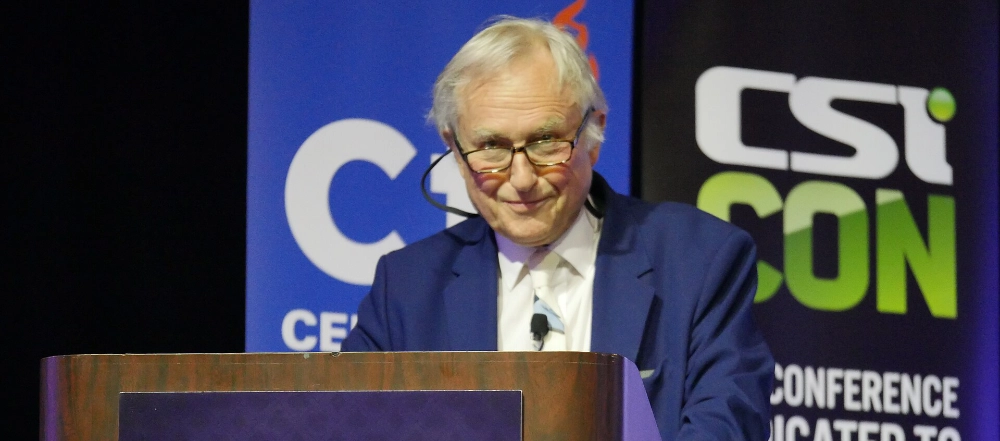
Photo By Karl Withakay - Own work, CC BY-SA 4.0, https://commons.wikimedia.org/w/index.php?curid=136496728
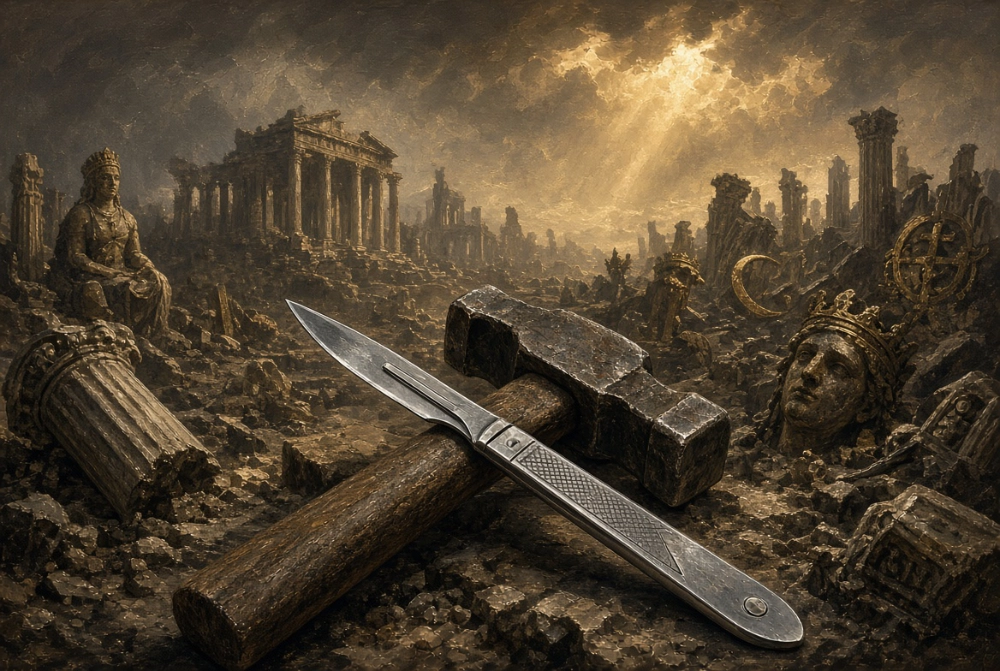
A critique of Nietzsche's Twilight of the Idols: How to Philosophize with a Hammer.
Why personal knowledge is beyond third-person control.

Read more: Relational Address Realism : Persons as Phenomena
A Theodicy of Tested Power. We can’t make an omelet without breaking eggs, but God, it turns out, can undo the breaking and still serve the omelet.

How Scripture targets and eradicates every rival god—and where the story ends.

The reason why a good Creator allows suffering has been answered... thousands of years before Christ.
A critique of NT Wright’s creatio ex vetere.

Post-Enlightenment Reformed theology embraced a gospel with much of the spiritual components quietly removed.

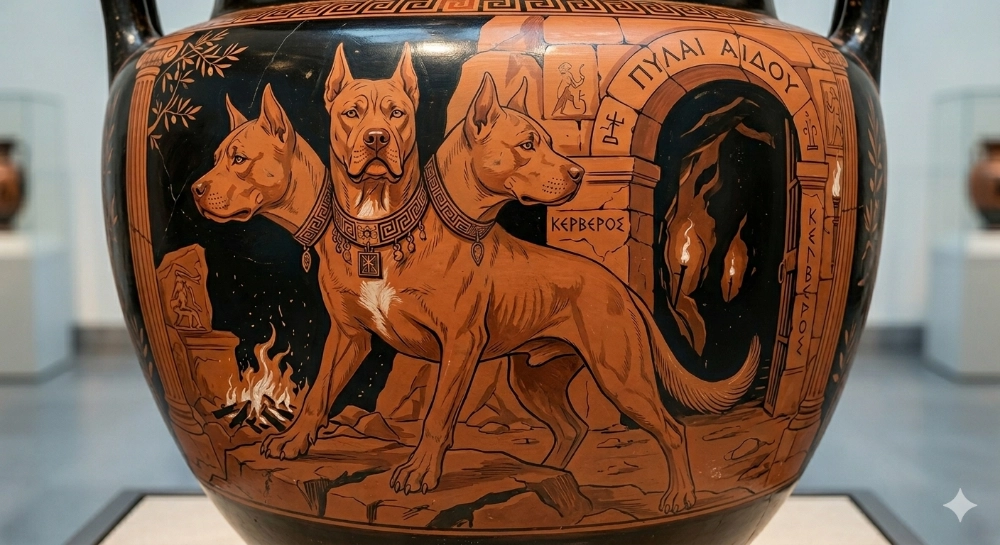
Banning offense doesn't protect us—it imprisons us, here's the three-headed beast responsible.
“Why you fool, it’s the educated reader who can be gulled. All our difficulty comes with the others. When did you meet a workman who believes the papers? He takes it for granted that they’re all propaganda and skips the leading articles… He is our problem. We have to recondition him. But the educated public, the people who read the high-brow weeklies, don’t need reconditioning. They’re all right already. They’ll believe anything.”
— Miss Hardcastle, in C.S. Lewis, That Hideous Strength

Read more: The Sacrifice of Common Sense on the Altar of Idealism
What if the story doesn't end with a war, but with a wedding—and everything you thought about holiness, faith, and eternity needs rethinking?
We're living, for now, between paradise lost and paradise restored—neither Eden nor eternity—neither utopia nor dystopia, but the faithful middle where heaven's reality breaks into earth's brokenness. The Mesotopia is a framework for describing that inbetween space.
You can choose to read the content—most in the format of white paper studies—and the comments below; or you can choose to engage with comments of your own.
We reserve the right to remove any users profiles and content for any reason.






It’s not for me, He is the primary beneficiary of His mercy. For freedom Christ has set us free… so that we can choose to witness for His goodness.